
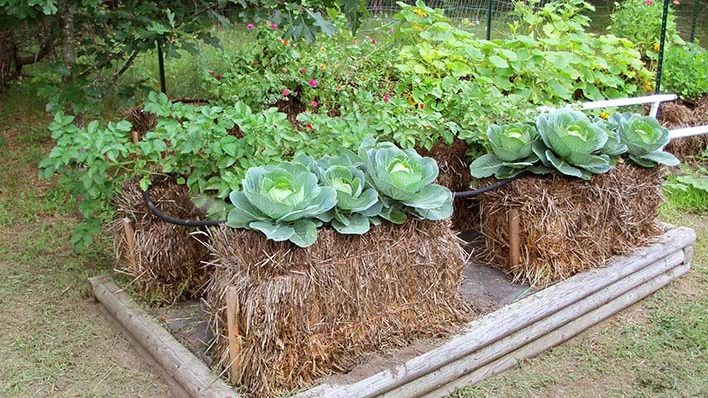
Growing your own vegetable garden has many benefits that range from physical, mental, and emotional health to economic and environmental advantages. There is a wide variety of vegetables that you can grow in a garden, and each one has its own unique flavor and texture that you can’t get from store-bought produce. Additionally, you’ll be able to control the amount of fertilizer, pesticides, and other chemicals used on your vegetables, allowing you to ensure the safety of your family’s food. Moreover, it’s an excellent way to get outside and get some fresh air and exercise. Finally, growing your own vegetables significantly cuts down on your grocery bill, and you can even sell your excess produce to make a little extra money. In this essay, we’ll discuss in detail all the benefits of growing your own vegetable garden.
Physical Health Benefits
One of the biggest advantages of growing your own vegetable garden is the physical health benefits it offers. By growing your own food, you’ll be able to control exactly what goes into it, and you can even choose to grow organic vegetables if you want. This means that you can avoid any synthetic fertilizers and pesticides that are used in commercial farming. Additionally, the fresh vegetables you grow will be more nutritious than store-bought produce, as they will be picked and eaten when they are ripe, rather than being picked early and then being transported to the store. Eating fresh vegetables is one of the best ways to get all the vitamins and minerals your body needs to stay healthy.
Additionally, gardening is a great form of exercise. It requires bending, stretching, and lifting, which can all help to strengthen your muscles and improve your balance. Additionally, gardening can help to reduce stress, as it requires you to focus on the task at hand and can be a great way to get outside and get some fresh air.
Mental and Emotional Health Benefits
Gardening can also benefit your mental and emotional health. It is a great way to practice mindfulness as it encourages you to focus on the present moment and appreciate the beauty of your garden and the food you are growing. Additionally, it can help to reduce anxiety and depression, as it gives you something to focus on and provides a sense of accomplishment when you see the results of your hard work. Lastly, gardening can help to reduce isolation and loneliness, as you may be able to meet other gardeners and form a community with them.
Economic Benefits
One of the most obvious benefits of growing your own vegetable garden is the economic savings it can provide. Growing your own vegetables is much cheaper than buying them from the store, and you can even sell any excess produce to make a little extra money. Additionally, you will save money on fertilizers, as you can make your own compost to use in your garden. Furthermore, you won’t have to buy any pesticides or herbicides, as you can use natural methods to keep pests and weeds away. Environmental Benefits Gardening is also an environmentally friendly activity. By growing your own vegetables, you’ll be able to reduce your carbon footprint, as you won’t need to transport your produce from the store to your home. Additionally, you can use sustainable gardening techniques such as composting, water conservation, and natural pest control, which will all help to reduce your environmental impact.
Conclusions
Growing your own vegetable garden offers a wide variety of benefits. From physical and mental health benefits to economic and environmental advantages, it is an excellent way to improve your well-being and help the planet. Additionally, you’ll be able to enjoy the fresh taste of home-grown vegetables and save money on your grocery bill. For these reasons, it is definitely worth the effort to start growing your own vegetable garden.
 Baled It!