
Straw bale gardening is a relatively simple method of growing fresh vegetables when compared with traditional gardening methods. It is more cost efficient, less labor-intensive, and less time-consuming, making it accessible to a wider range of socioeconomic demographics.
Conditioning your bales
Over the course of about 2 weeks, bales of hay (not pine straw) are conditioned with inexpensive fertilizer that can be bought at any farm supply or hardware store. This conditioning process essentially forces the core of the hay bale to turn into compost. When conditioning is complete, you can plant fresh vegetables directly into the bale.
Coming soon!
Attend a workshop:
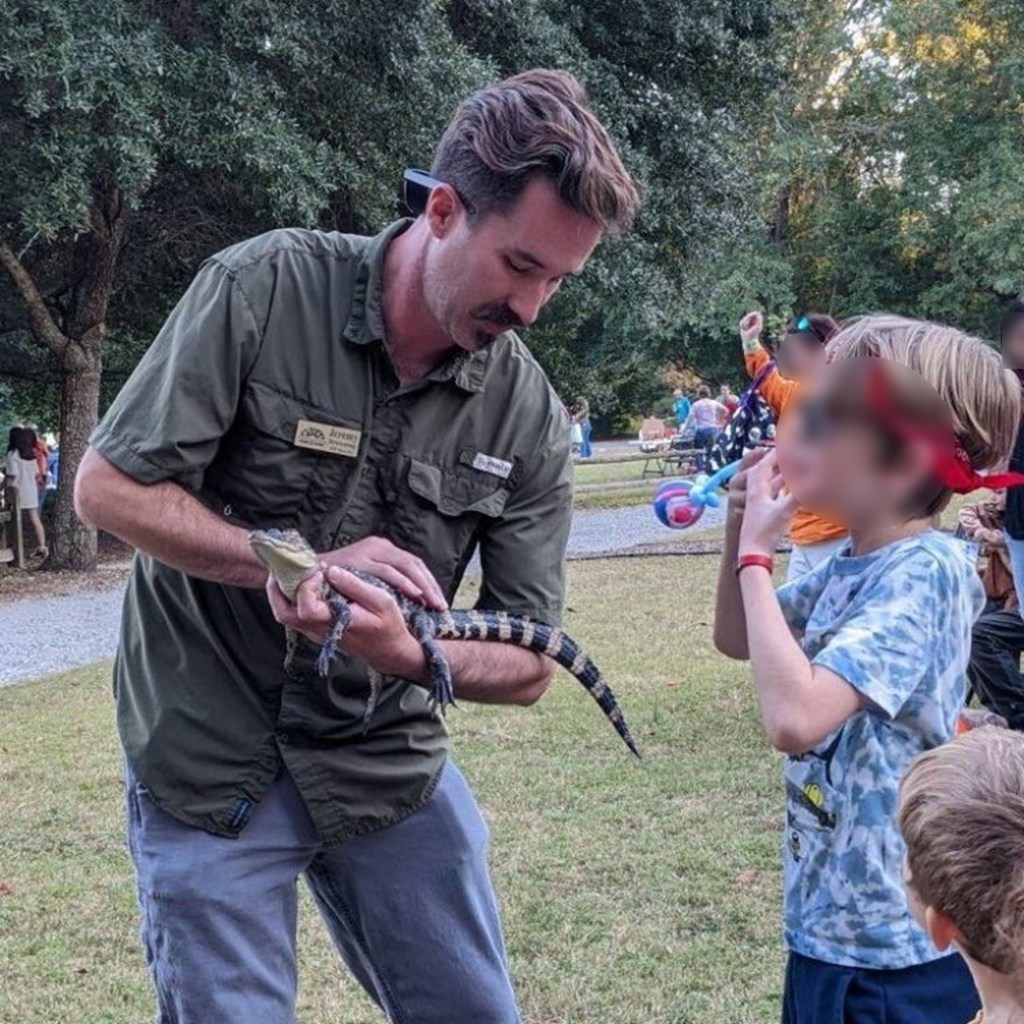
Jeremy will introduce you to the basics of building and maintaining your straw bale garden using various seeds which can be grown throughout the year.
What you’ll learn:
- The biology & chemistry behind bale gardening
- Choosing your garden’s location and plants
- Bale garden care
- Troubleshooting, common pitfalls, and pest management
- How to be creative with your bales!
USEFUL GARDENING RESOURCES
A note from the Director of Gardens: The information out there on gardening can be overwhelming. If you try to gather all the info you think you may need to get started, then you will never get started. Below you’ll find a list of some of the gardening resources that have been helpful to us along our journey.
You don’t have to have a “green thumb” to get started. Just get started and learn from your mistakes! Along the way, do your research and talk to other growers and gardeners to learn from THEIR mistakes as well!
– Jeremy S. Browning
- The Urban Farm Podcast contains a WEALTH of useful knowledge for gardeners and plant enthusiasts of all skills levels.
- Author & Gardener Joel Karsten offers various bale gardening products and services. We’ve purchased his books and listened to every podcast we’ve found him on. Find more from him at strawbalegardens.com
- Ira Wallace’s book “Vegetable Gardening in the Southeast” breaks down precise activities/jobs that you should be doing for your garden throughout the year in a month-by-month format. Below, you’ll find a chart transcribed from the back of Ira Wallace’s book with some commonly grown garden vegetables with indications of when to plant and harvest.
Please note: Not all of the plants in this chart are great candidates to plant in a bale garden.
 Baled It!